Transform Your Vision into Reality with Custom Homes
Building a custom home is more than just a construction project; it is a journey that transforms your dreams into a tangible reality. The process allows you to create a space that reflects your personality, lifestyle, and aspirations. Whether you envision a cozy retreat or a modern masterpiece, custom homes offer the flexibility and creativity to bring your vision to life.
Understanding Custom Homes
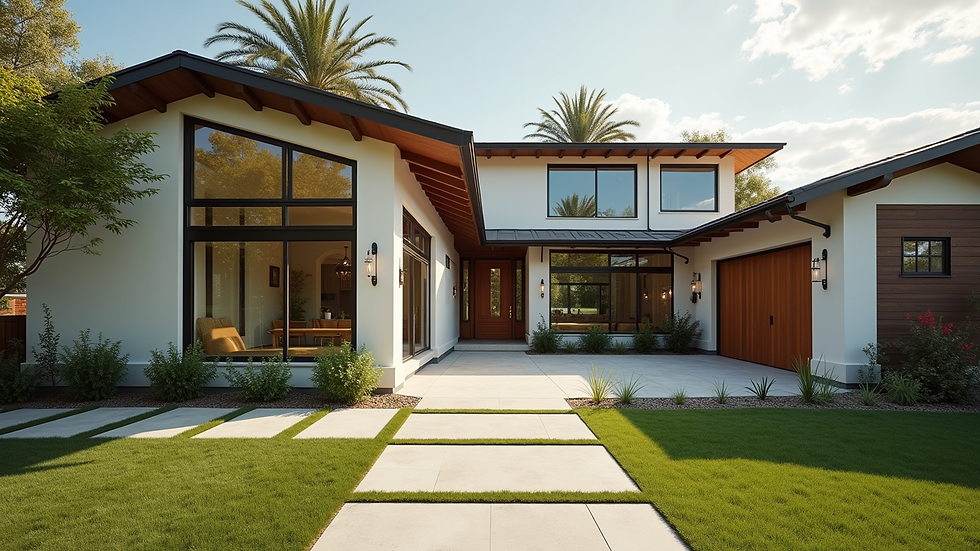
Custom homes are unique residences designed and built according to the specific preferences and requirements of the homeowner. Unlike traditional homes, which are often built from pre-existing plans, custom homes allow for a high degree of personalization. This means you can choose everything from the layout and materials to the finishes and fixtures.
The Benefits of Custom Homes
Personalization: You have complete control over every aspect of your home, ensuring it meets your needs and tastes.
Quality: Custom homes often use higher-quality materials and craftsmanship, resulting in a more durable and aesthetically pleasing structure.
Energy Efficiency: You can incorporate modern energy-efficient technologies and sustainable materials, reducing your environmental footprint and utility bills.
Location: You can select the perfect lot that suits your lifestyle, whether it’s a bustling urban area or a serene countryside.
Future-Proofing: Custom homes can be designed with future needs in mind, such as accommodating a growing family or aging in place.
The Custom Home Building Process
Building a custom home involves several stages, each requiring careful planning and execution. Here’s a breakdown of the typical process:
1. Conceptualization
The first step is to define your vision. Consider your lifestyle, preferences, and budget. Create a list of must-haves and nice-to-haves. This stage often involves brainstorming sessions with family members and possibly a designer or architect.
2. Design
Once you have a clear vision, the next step is to work with an architect or designer to create detailed plans. This includes:
Floor Plans: Layout of rooms, bathrooms, and common areas.
Exterior Design: Style, materials, and landscaping.
Interior Design: Choices for fixtures, finishes, and color schemes.
3. Budgeting
Establishing a budget is crucial. This should include not only construction costs but also permits, inspections, and interior furnishings. It’s wise to set aside a contingency fund for unexpected expenses.
4. Selecting a Builder
Choosing the right builder is one of the most important decisions in the custom home process. Look for a builder with a strong reputation, experience in custom projects, and good communication skills. Check references and past projects to ensure they align with your vision.
5. Construction
Once the plans are finalized and the builder is selected, construction begins. This phase includes:
Site Preparation: Clearing the land and laying the foundation.
Framing: Building the structure of the home.
Utilities: Installing plumbing, electrical, and HVAC systems.
Finishing: Adding interior and exterior finishes, landscaping, and final touches.
6. Inspection and Walkthrough
Before moving in, a thorough inspection is necessary to ensure everything meets your expectations and local building codes. Conduct a final walkthrough with your builder to address any concerns.
7. Move-In
Once everything is complete and approved, it’s time to move into your dream home. This is the moment when all your planning and hard work pays off.

Key Considerations for Custom Homes
While the process of building a custom home is exciting, it also comes with challenges. Here are some key considerations to keep in mind:
Location Matters
The location of your custom home can significantly impact your lifestyle. Consider factors such as proximity to work, schools, amenities, and natural surroundings. Research the neighborhood and its future development plans to ensure it aligns with your long-term goals.
Zoning and Regulations
Before starting your project, familiarize yourself with local zoning laws and building regulations. These can affect everything from the size of your home to the materials you can use. Working with a knowledgeable builder can help navigate these complexities.
Sustainability
Incorporating sustainable practices into your custom home can benefit both the environment and your wallet. Consider using energy-efficient appliances, solar panels, and sustainable building materials. These choices can lead to long-term savings and a smaller carbon footprint.
Future Needs
Think about your future needs when designing your home. Will you need extra space for a growing family? Do you plan to age in place? Designing with flexibility in mind can save you from costly renovations down the line.
Custom Home Trends
Staying updated on current trends can inspire your custom home design. Here are some popular trends to consider:
Open Floor Plans
Open floor plans continue to be a favorite among homeowners. They create a sense of spaciousness and facilitate social interactions. Combining the kitchen, dining, and living areas can enhance the flow of your home.
Smart Home Technology
Integrating smart technology into your custom home can improve convenience and security. Consider features like smart thermostats, lighting systems, and security cameras that can be controlled remotely.
Outdoor Living Spaces
Creating outdoor living areas, such as patios, decks, and gardens, can extend your living space and enhance your enjoyment of nature. These areas are perfect for entertaining and relaxation.
Minimalist Design
Minimalism emphasizes simplicity and functionality. Clean lines, neutral colors, and uncluttered spaces can create a calming environment. This trend is ideal for those who prefer a more serene and organized lifestyle.
Financing Your Custom Home
Financing a custom home can be different from purchasing an existing property. Here are some options to consider:
Construction Loans
These short-term loans cover the cost of building your home. They typically convert to a mortgage once construction is complete. Be prepared to provide detailed plans and budgets to secure this type of financing.
Traditional Mortgages
Once your home is built, you can apply for a traditional mortgage. This will help you finance the long-term costs of your home. Shop around for the best rates and terms.
Government Programs
Explore government programs that may offer assistance for first-time homebuyers or those building energy-efficient homes. These programs can provide financial benefits and incentives.
Working with Professionals
Building a custom home is a complex process that often requires the expertise of various professionals. Here are some key players to consider:
Architects and Designers
These professionals can help turn your vision into detailed plans. They understand building codes, zoning laws, and design principles, ensuring your home is both beautiful and functional.
Builders and Contractors
A reputable builder is essential for a successful project. They will manage the construction process, coordinate subcontractors, and ensure quality workmanship.
Interior Designers
If you want to create a cohesive and stylish interior, consider hiring an interior designer. They can help you choose finishes, furnishings, and layouts that reflect your style.
Final Thoughts
Building a custom home is an exciting opportunity to create a space that truly reflects your vision and lifestyle. By understanding the process, considering key factors, and working with the right professionals, you can turn your dream home into a reality.
As you embark on this journey, remember to stay flexible and open to new ideas. The process may have its challenges, but the end result will be a home that is uniquely yours. Take the first step today by outlining your vision and reaching out to professionals who can help you make it happen. Your dream home awaits!

Comments